
Injury Prevention for Junior Badminton Players
Why the best academies prioritize keeping athletes healthy over pushing them harder
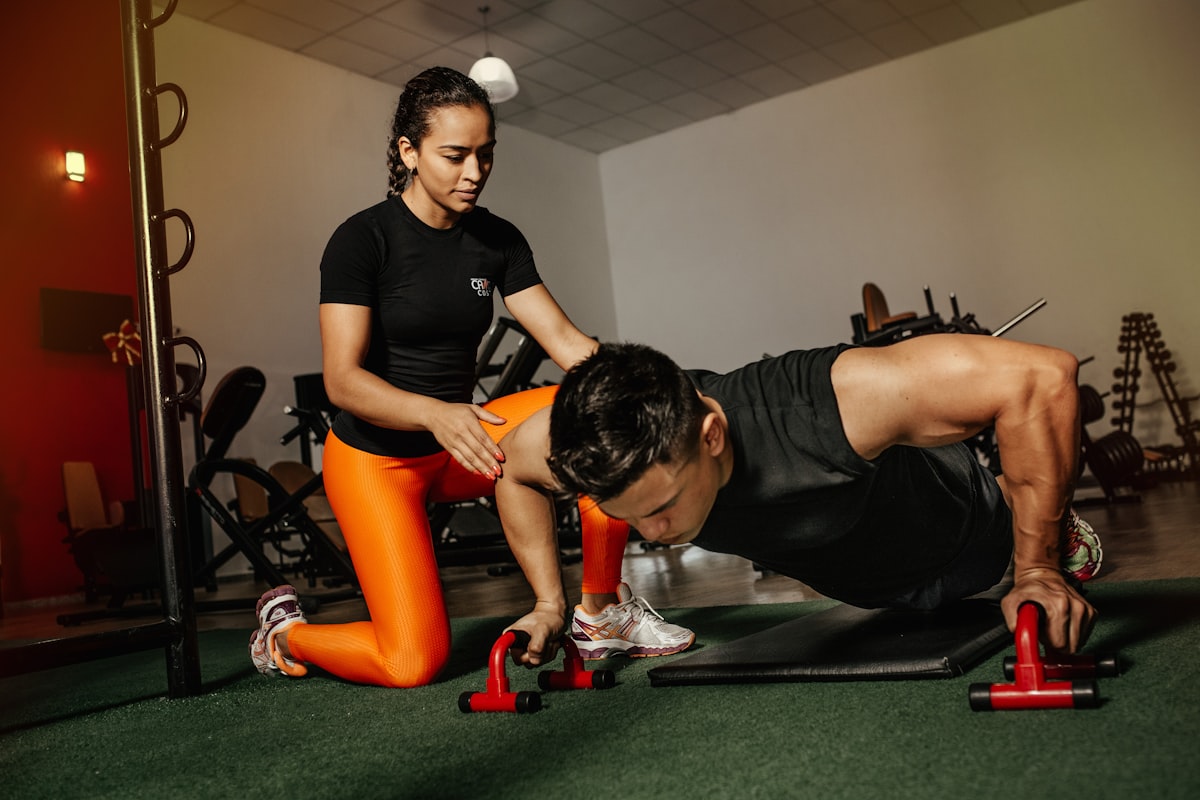
Badminton looks like a non-contact sport. But at the competitive level, it's one of the most physically demanding racket sports in the world. Explosive lunges, rapid directional changes, overhead smashes at 400+ km/h, and matches that can last over an hour put immense stress on growing bodies. For junior players, injury prevention isn't optional - it's the foundation everything else is built on.
The Most Common Junior Badminton Injuries
- Knee injuries: Patellar tendinitis ("jumper's knee") from repetitive lunging and landing. The most common serious injury in junior badminton.
- Ankle sprains: Rapid lateral movements and sudden stops put enormous stress on ankle ligaments.
- Shoulder injuries: Rotator cuff strain from overhead shots, especially when technique is poor or the shoulder isn't conditioned for the load.
- Lower back pain: From the constant rotation, extension, and flexion demands of badminton movement.
- Wrist injuries: Overuse injuries from incorrect grip technique or excessive training volume.
- Growth plate injuries: Unique to young athletes - repetitive stress on growth plates before they've fully closed can cause lasting damage.
The hard truth: Most junior badminton injuries are preventable. They happen because of incorrect technique, excessive training volume, inadequate warm-up, poor conditioning, or ignoring early warning signs.
How Injuries Are Prevented (Not Just Treated)
1. Correct Movement Patterns From Day One
The way an athlete lunges, lands, and changes direction determines their injury risk more than any other factor. A properly taught lunge distributes force across the muscles rather than loading the knee joint. Poor technique might not cause problems at beginner level, but under competitive training loads, it becomes a ticking clock.
2. Progressive Loading
The body adapts to stress - but only if the stress increases gradually. Jumping from 3 sessions per week to 6, or from 1-hour sessions to 3-hour sessions, is how overuse injuries happen. Smart programming increases training volume by no more than 10-15% per week, with regular deload periods.
3. Strength and Conditioning
Stronger muscles protect joints. A targeted S&C program for junior badminton players focuses on:
- Knee stability: Quad and hamstring strengthening, single-leg balance work
- Ankle conditioning: Proprioception drills, calf strengthening, balance board work
- Shoulder health: Rotator cuff strengthening, scapular stability exercises
- Core strength: The foundation for every movement on court - protects the lower back and transfers power efficiently
- Hip mobility: Tight hips are a root cause of knee and back problems in young players
4. Warm-Up and Cool-Down Protocols
Every session should begin with 10-15 minutes of dynamic warm-up that prepares the specific movement patterns about to be trained. Cold muscles and tendons are significantly more vulnerable to injury. Similarly, structured cool-down with static stretching aids recovery and maintains flexibility.
5. Movement Screening
Regular functional movement screening identifies restrictions, asymmetries, or weaknesses before they become injuries. A simple overhead squat assessment can reveal ankle stiffness, hip tightness, or core weakness that would eventually manifest as pain on court.
6. Recovery as a Training Component
Rest days, sleep, nutrition, and active recovery (light movement, foam rolling, stretching) are not "time off training" - they're where the body actually adapts and gets stronger. Academies that treat rest as weakness are building athletes on a foundation of accumulating damage.
Questions Parents Should Ask Their Academy
- Is there a dedicated S&C coach, or does the badminton coach handle physical conditioning?
- How is training volume managed for growing athletes?
- What happens when a child reports pain or discomfort?
- Is there access to physiotherapy for early intervention?
- How many rest days per week are built into the schedule?
- Are warm-up and cool-down structured, or left to the athlete?
The GameFit Approach
At GameFit Academy, injury prevention is built into the DNA of the training program. Sports science expert Deckline Leitao designs the conditioning and recovery protocols, while Anup Sridhar's coaching methodology emphasizes correct biomechanics from the very first session. The philosophy is simple: a healthy athlete trains more consistently, and consistent training produces better results than any short-term intensity spike.
Want to learn more about how GameFit protects its athletes? Book a visit and see the training methodology firsthand.